
Introduction
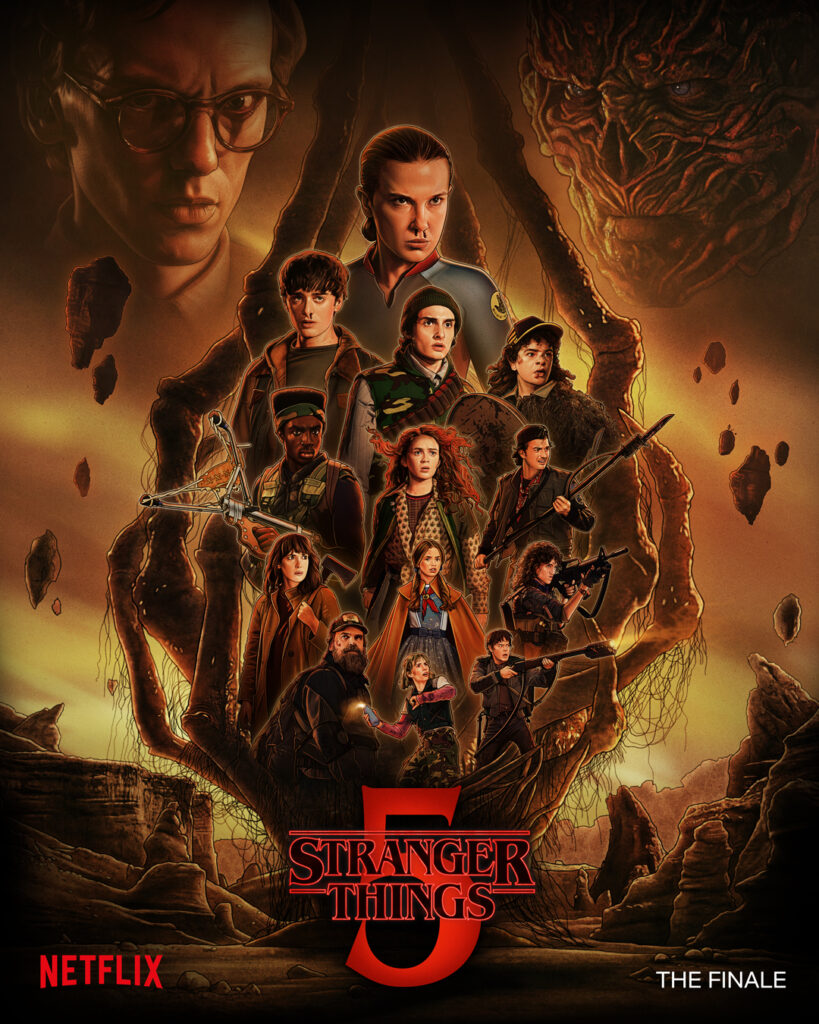
The Stranger Things finale Vecna redemption debate has taken the internet by storm after the Duffer Brothers revealed why they refused to redeem Vecna in Season 5’s ending.
According to the creators, the answer was a firm no.
Fan Reactions to the Stranger Things Finale Vecna Redemption Decision
In Netflix’s official explanation of the Stranger Things Season 5 finale titled “The Rightside Up”, creators Duffer Brothers revealed that their writers’ room seriously debated giving Henry Creel / Vecna a redemption arc.
The idea involved showing deeper visions of his traumatic childhood — including:
- His psychic abilities manifesting at a young age
- Emotional isolation
- Exploitation through secret experiments
- Exile that pushed him toward darkness
Despite these considerations, the team ultimately decided not to soften Vecna’s ending.
Why the Duffer Brothers Rejected Vecna Redemption in the Stranger Things Finale
The Duffer Brothers felt that redemption would undermine the scale of Vecna’s crimes.
Vecna’s actions include:
- Brutally murdering his own family
- Manipulating and killing children
- Cursing innocent victims across Hawkins
- Serving the Upside Down with full awareness
According to the creators, trauma explains his origin — but it does not excuse his choices.
They wanted the finale to reflect accountability, not absolution.

Fans React: Mostly Applause, Some Debate
On X, the reaction was overwhelmingly positive.
Many fans praised the decision, saying:
- Vecna crossed the point of no return
- Redemption arcs should not erase mass violence
- The finale stayed true to the show’s moral spine
However, a section of viewers still saw Vecna as a tragic figure — a gifted child destroyed by experimentation and neglect. These fans acknowledged his guilt but felt the show left subtle traces of victimhood intact.
Why This Decision Makes the Finale Stronger
From a storytelling perspective, rejecting Vecna’s redemption:
- Preserves the horror tone of Stranger Things
- Avoids glorifying abuse-driven villains
- Gives emotional weight to the heroes’ sacrifices
- Delivers a darker, more mature conclusion
It also separates Vecna from typical “misunderstood villain” tropes seen in modern franchises.
The Bigger Picture: Good vs Evil in Stranger Things
Since Season 1, Stranger Things has always balanced empathy with consequence. While characters like Eleven and Billy were given emotional depth, the show consistently drew a line between pain and evil.
Vecna represented a villain who embraced darkness — not someone seeking escape from it.
That distinction made all the difference in the finale.
Final Verdict
The Duffer Brothers’ choice to deny Vecna redemption has proven divisive — but effective.
By keeping him loyal to the Upside Down’s dark force, Stranger Things ended its journey with:
- Moral clarity
- Narrative integrity
- And a finale fans are still debating hours after release
For many viewers, that’s exactly what a great ending should do.
🔗 Internal Links
- Link to: Web Series category
- Link to: Trending page
🌐 Do-Follow External Link
Netflix official blog / Tudum